

Blog
Preventing Mold & Mildew: Essential Care Tips for Tumbler Lids and Straws

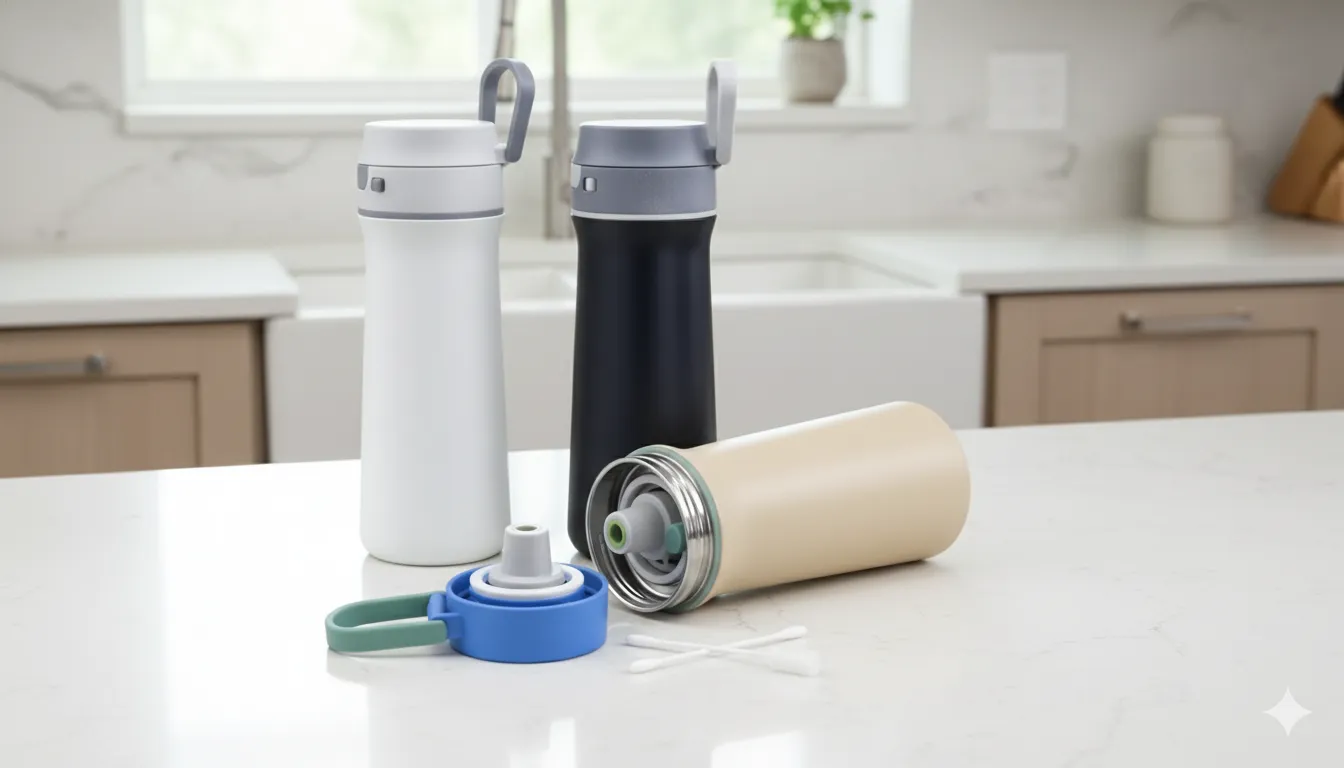
Understanding the Mold Menace: Why Your Tumbler Gets Grimy
Ever reach for your favorite tumbler, only to find a suspicious dark spot lurking in the lid or along the straw? Ugh, right? We’ve all been there, and understanding the root cause is the first step towards effective Tumbler mold prevention.
So, why exactly do these seemingly clean containers get so grimy? It boils down to a few key ingredients that mold absolutely loves. Think of your tumbler as a tiny, unintended spa for these microscopic fungi, making regular Tumbler mold prevention efforts crucial.
Mold thrives on three essential things:
- Moisture: Even a tiny bit of leftover liquid or condensation is enough.
- Warmth: Room temperature is perfect for mold growth.
- Food: Residue from coffee, juice, smoothies, or even just saliva provides all the nutrients mold needs.
Your tumbler, especially after holding a beverage for hours, creates this perfect storm. Forgotten sips and damp corners quickly become prime breeding grounds. This isn’t just a problem for plastic cups; consistent stainless steel tumbler care is equally vital.
That residue rapidly turns into visible mold, making thorough water bottle cleaning absolutely essential for healthy hydration. Preventing mildew is crucial!
The Ultimate Guide to Tumbler Mold Prevention
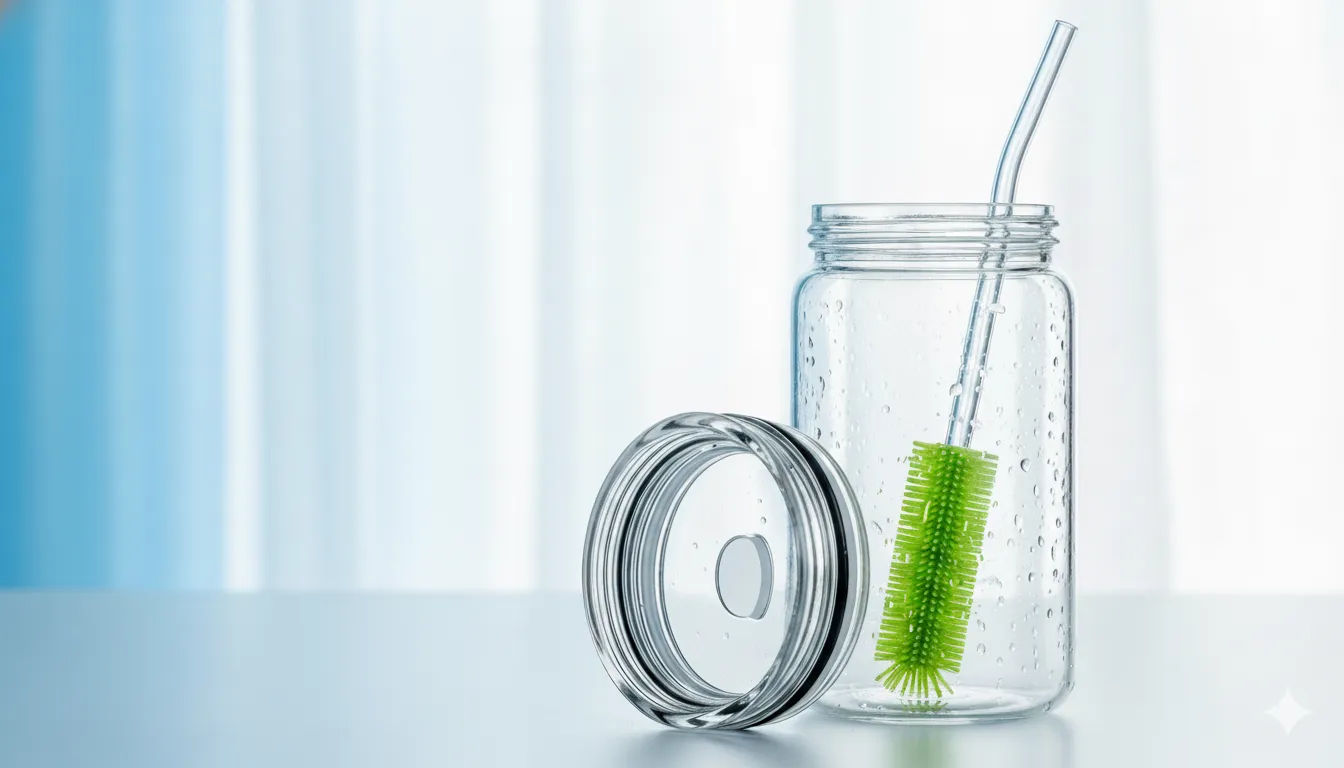
You know why mold loves your tumbler. Now, let’s get proactive! Effective Tumbler mold prevention isn’t complicated; it’s about simple, consistent habits.
Consider it a small investment in your health. Nobody wants fuzzy surprises!
Here are the fundamental steps for a sparkling, mold-free tumbler:
- Rinse Immediately: Finished your drink? A quick rinse removes most food sources.
- Thorough Air Drying: Mold thrives on moisture. After washing, ensure all parts—lids, straws—are completely air-dried. Invert for best airflow.
- Regular Deep Cleans: Beyond rinsing, proper water bottle cleaning several times weekly is essential. This is key for preventing mildew.
- Disassemble Everything: Always take apart lids, remove silicone seals, and separate straws. These hidden spots are prime for mold growth.
- Material Vigilance: While stainless steel tumbler care is easier, plastic cup mold needs extra attention. Be diligent with all materials!
These simple steps build a strong defense against spores. It genuinely makes a difference!
Mastering the Art of Deep Cleaning: Tools and Techniques
So, your daily habits are good, but what about those stubborn spots? Deep cleaning is your secret weapon for true tumbler mold prevention. It’s not just a quick rinse; it’s about thoroughly tackling every nook and cranny.
First, gather your arsenal. You’ll need a good bottle brush, a slender straw brush, and a tiny detail brush for tricky lid parts. Regular dish soap works well, but for an extra punch, consider white vinegar or baking soda. These natural cleaners are surprisingly effective.
For effective water bottle cleaning, start by disassembling absolutely everything. Soak lids, straws, and especially those fiddly silicone seal cleaning components in warm, soapy water. A vinegar soak (1:1 water and vinegar) is fantastic for breaking down mineral buildup and effectively preventing mildew.
Now, get scrubbing! Use your brushes to reach deep inside the tumbler, up the straws, and around all lid components. Pay extra attention to grooves where gunk loves to hide. This thorough scrub is crucial for both stainless steel tumbler care and combating plastic cup mold.
Rinse everything meticulously with clean water. Then, for successful tumbler mold prevention, allow all parts to air dry completely before reassembling. Moisture is mold’s best friend, so let everything dry thoroughly.
Targeting Trouble Spots: Lids, Straws, and Seals Demystified
General cleaning helps, but some tumbler parts are notorious mold magnets. Focus here is key for effective tumbler mold prevention.
- Lids: Flip-tops, slides, and straw openings all hide tiny crevices. Use small, specialized brushes (from a bottle brush set) to clean every nook. Disassemble all lid parts for thorough water bottle cleaning, banishing hidden gunk.
- Straws: These dark tunnels are prime real estate for mold and mildew. A dedicated straw brush is essential for preventing mildew. Push it through multiple times from both ends with warm, soapy water. This scrub is vital for stainless steel tumbler care and combating plastic cup mold.
- Seals & Gaskets: That little rubber or silicone ring? It’s a trap for moisture and food particles. Always remove these seals during cleaning. Scrub them well, especially the grooves, as proper silicone seal cleaning is vital for hygiene.
Ignoring these spots creates a perfect breeding ground, undermining all your efforts for lasting tumbler mold prevention.
Smart Storage Solutions to Keep Mold Away Permanently
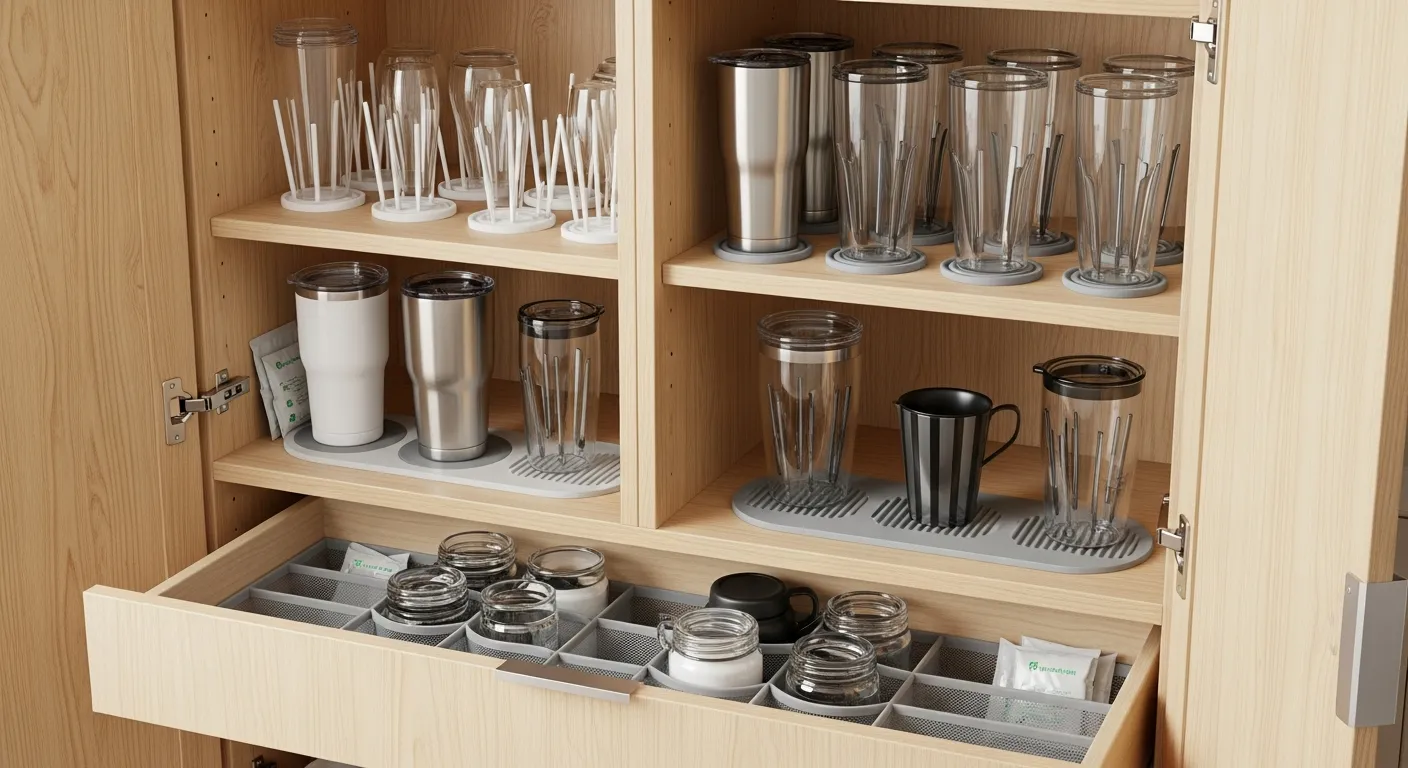
You’ve put in all that hard work with cleaning, but how you store your tumbler is just as crucial for effective tumbler mold prevention. Leaving things damp in a dark cupboard is like sending an open invitation to mold and mildew! Don’t let your efforts go to waste.
Here are some smart storage tips to keep your hydration gear pristine:
- Bone Dry is Best: Never put away a tumbler or its parts if they’re still wet. Air-dry everything completely on a dish rack or use a clean towel. Residual moisture is the number one enemy when it comes to preventing mildew.
- Store Disassembled: Always keep lids off the tumblers and separate straws and seals. This allows air to circulate freely inside, preventing that stuffy, damp environment mold loves. This approach is especially important for proper stainless steel tumbler care.
- Airy Spaces: Choose a well-ventilated cabinet or shelf. Avoid crowded, sealed containers where humidity can build up. Good airflow helps maintain a dry environment, making all your water bottle cleaning efforts pay off.
- Open-Air Advantage: If you have the space, storing tumblers upside down on a drying rack or with lids loosely placed for a bit before fully putting them away can make a huge difference. This simple habit reinforces long-term tumbler mold prevention.
These small changes in storage habits reinforce your deep cleaning and are truly essential for a completely mold-free hydration experience.
Daily Habits for a Sparkling, Mold-Free Hydration Experience
Beyond deep cleaning and smart storage, your daily habits are the true game-changer in the fight against mold. These consistent routines make all the difference for continuous tumbler mold prevention.
- Quick Rinse After Use: Finished your drink? A quick rinse with warm water is key. This washes away sugary residues and particles, preventing them from drying and inviting mold.
- Wash It Daily: A full wash every day is a must, even if it looks clean. Use warm, soapy water and a bottle brush for every spot. This diligent water bottle cleaning prevents hidden grime.
- Target Lids, Straws & Seals: Mold loves these spots! Disassemble and thoroughly clean your lids, straws, and all silicone seals daily. This targeted approach is key for preventing mildew and ensuring proper silicone seal cleaning.
- Air Dry Completely: Always let all components air dry fully after washing. Never reassemble a damp tumbler or put a wet lid back on. Complete drying is fundamental to stopping mold growth, vital for excellent stainless steel tumbler care and effective tumbler mold prevention.
Frequently Asked Questions
What if I already spot mold or mildew in my tumbler lid or straw?
Don’t panic! For visible mold, a simple wash isn’t quite enough. You’ll want to disinfect. A diluted bleach solution (1 teaspoon bleach per gallon of water) or a vinegar solution (equal parts white vinegar and water) can be very effective. Soak the affected parts for 15-30 minutes, then scrub thoroughly with a dedicated brush, rinse very well, and let air dry completely. For straws, a good straw brush is an absolute must-have here!
Are certain tumbler materials or designs more prone to mold and mildew?
That’s a great, insightful question! While any material can host mold if not properly cared for, designs with lots of intricate parts, hidden crevices, or multiple silicone seals (think elaborate flip-tops, straw mechanisms, or sliding covers) tend to be more challenging to clean thoroughly. Silicone, in particular, while excellent for sealing, can sometimes harbor mildew if not meticulously dried. Simpler designs with fewer hiding spots are generally easier to keep mold-free.
How often should I really be deep cleaning my tumbler accessories? Is daily enough?
Daily cleaning with soap and water is fantastic for everyday hygiene – keep that up! However, a “deep clean” takes things a step further. We generally recommend a more thorough deep clean (like a vinegar or baking soda soak, or a run through the dishwasher if your parts are safe) at least once a week. This is especially important if you’re enjoying beverages other than plain water, or if you live in a humid climate. This helps eradicate any stubborn biofilm or hidden gunk that daily washing might miss.
Can I use a dishwasher to prevent mold, or is handwashing always best?
Dishwashers are incredibly convenient and can be very effective for mold prevention, thanks to their high temperatures and powerful detergents. Most modern tumbler lids and straws are designed to be dishwasher-safe (always double-check your manufacturer’s instructions!). Just make sure small parts are secured so they don’t get lost. Crucially, whether hand or machine washed, ensure everything is completely dry before reassembling or storing. For parts with very tight crevices or delicate seals, a good old hand scrub with a fine brush might still be the most effective for reaching every nook and cranny.

