

Blog
Coffee Stains Begone! Best Methods for Cleaning Discolored Tumblers & Water Bottles


The Ultimate Guide to Sparkling Clean: Effortless Tumbler Stain Removal
Ever opened your favorite tumbler to find a mysterious, murky film or those stubborn brown rings? You’re definitely not alone! These unsightly marks can really take the shine off your drinkware. But don’t worry, achieving effortless tumbler stain removal is easier than you think when you know the right tricks.
This comprehensive guide is your ultimate resource for bringing back that sparkling clean look. We’ll tackle common culprits like persistent coffee stains and lingering tea marks, along with those tough hard water stains that seem impossible to shift.
Whether you own a trusty stainless steel tumbler or a colorful plastic water bottle, we’ve got effective solutions tailored for various materials. Get ready to discover simple yet powerful methods for thorough tumbler stain removal, leaving your drinkware gleaming like new.
Identify Your Stain: Common Discoloration Issues and Their Causes
Time for some stain sleuthing! Before diving into tumbler stain removal, let’s identify your specific issue. Knowing the type of discoloration helps us pick the right cleaning strategy.
What kind of mark is marring your favorite drinkware? Here are the most common culprits:
- Coffee and Tea Stains: These are those classic brown rings and murky films. They’re super common from daily brews!
- Hard Water Stains: Spot a cloudy white film or chalky deposits? That’s minerals from your tap water, often indicative of hard water. These often need a specific stainless steel tumbler cleaner.
- Rust Stains: Look for reddish-brown spots. Rust can appear from contact with other metals or surface damage. Effective tumbler stain removal for rust requires specific treatment.
- Persistent Odors or Film: Not always a color, but a lingering smell or slick film. This means old residue or even mold is setting up shop.
5 Powerful Home Remedies for Effective Tumbler Cleaning
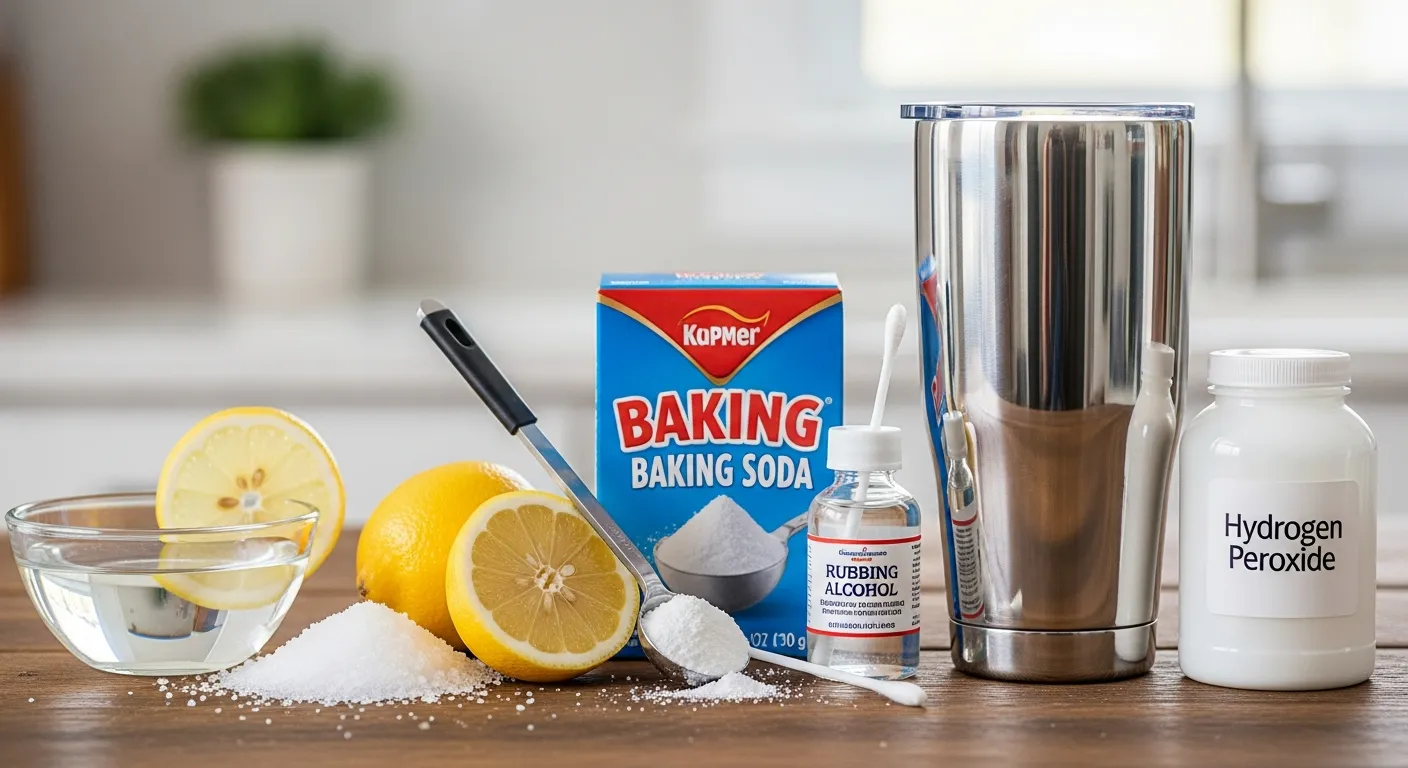
Okay, ready to tackle those stains? Before harsh chemicals, try these budget-friendly home remedies. They’re fantastic for general tumbler stain removal and often get the job done!
- Baking Soda & Vinegar Fizz: Sprinkle baking soda, add white vinegar, and let fizz. Scrub after 5-10 minutes. Great for overall tumbler stain removal, especially as a coffee stain remover and for tea stain removal.
- Denture Tablets: Drop one tablet into warm water. Let sit 30 mins to overnight. Tackles films and discoloration. Rinse.
- Lemon & Salt Scrubber: Use a lemon half dipped in salt to scrub the inside. Excellent for mild stains on stainless steel tumblers. Rinse well.
- White Vinegar Soak: For hard water stains, fill with undiluted white vinegar. Soak for hours or overnight to dissolve minerals. Rinse.
- Ice, Salt, & Lemon Shake: Combine ice, salt, and lemon juice. Shake vigorously. This creates a natural scrubber for grime.
Conquering Stubborn Stains: Rust, Hard Water, and Beyond
Okay, so those everyday remedies are great, but what about the really tough cookies? You know, the ones that make you sigh just looking at them? Let’s tackle those stubborn discolors head-on.
For persistent hard water stains, pure white vinegar is your secret weapon. Fill your tumbler and let it sit for several hours or even overnight. The acidity dissolves mineral buildup, making effective tumbler stain removal much easier. After soaking, scrub with a bottle brush and rinse thoroughly.
Got unsightly rust stains on tumblers, especially on your favorite stainless steel? Don’t panic! A paste of baking soda and lemon juice applied directly to the rust spot often works. Let it sit 30 minutes, then scrub gently. For really stubborn rust on a stainless steel tumbler, a product like Bar Keepers Friend (check compatibility) can be an effective stainless steel tumbler cleaner, but always use sparingly and rinse well.
Remember, thorough tumbler stain removal sometimes requires a bit more targeted effort. Persistence pays off!
Material Matters: Best Practices for Stainless Steel, Plastic, and Ceramic Tumblers
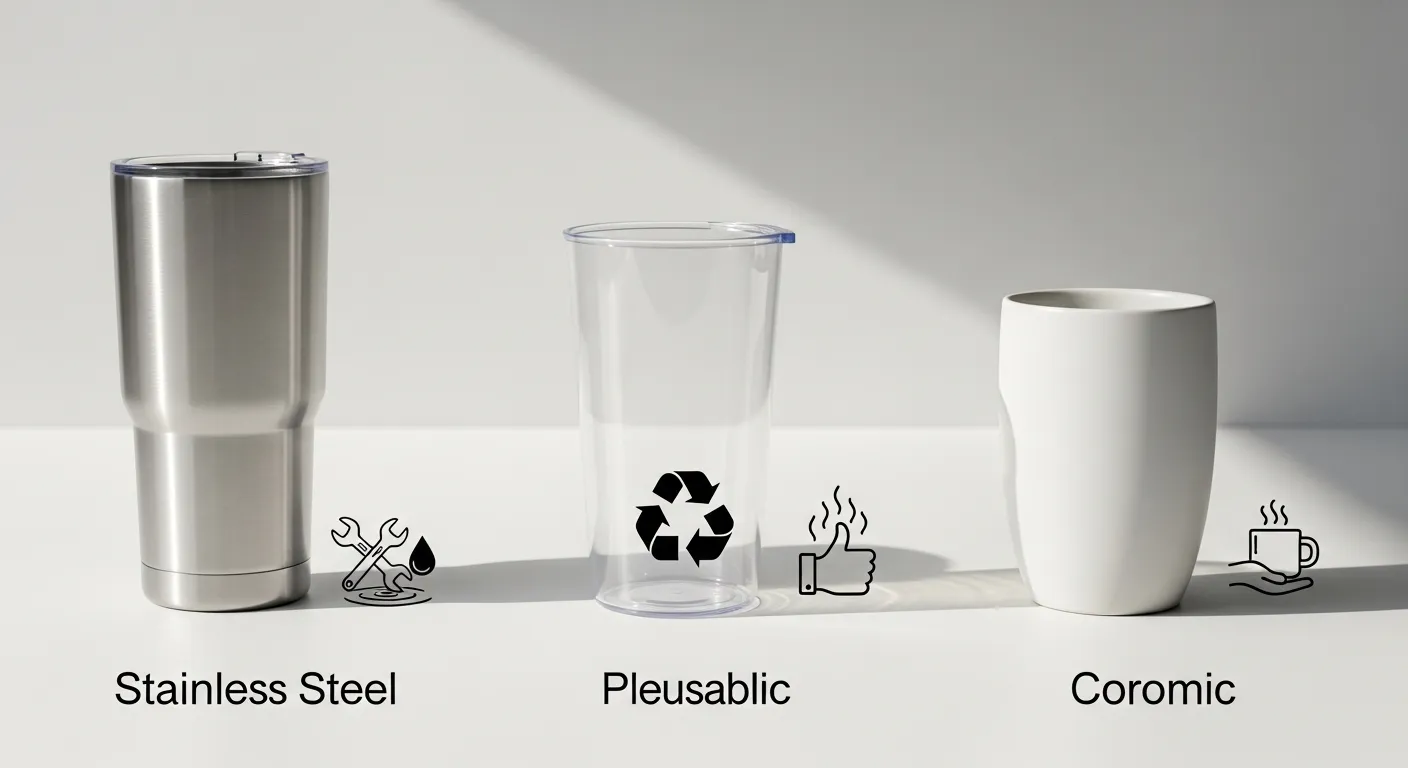
Just like people, tumblers have different needs based on what they’re made of! Knowing your material helps you pick the best cleaning approach for effective tumbler stain removal without causing damage. Let’s dive into best practices for each type.
Stainless Steel Tumblers
- These are incredibly durable but can still show annoying **hard water stains** and even **rust stains on tumblers** over time.
- For everyday cleaning, a simple mix of baking soda and warm water usually does the trick for general tumbler stain removal.
- If you’re dealing with stubborn marks, a gentle and food-safe **stainless steel tumbler cleaner** can be incredibly effective.
Plastic Tumblers
- Plastic is notorious for absorbing smells and retaining those pesky **coffee stain remover** and **tea stain removal** discolorations.
- Always avoid abrasive scrubbers that might scratch the surface, as this can make future stains even harder to clean.
- Soaking with baking soda and warm water, or even using a denture tablet, can work wonders for discoloration here.
Ceramic Tumblers
- Ceramic, especially if it’s glazed, is generally quite easy to clean and resist stains.
- For most **tea stain removal** and **coffee stain remover** needs, a simple scrub with dish soap or a baking soda paste is perfect.
- Just remember to be gentle! Ceramic can chip or crack if dropped or handled too roughly.
7 Simple Steps to Prevent Future Tumbler Stains
Mastered tumbler stain removal? Great! Let’s prevent those pesky marks altogether. Prevention is key to avoiding future tumbler stain removal needs and keeping your tumbler sparkling. Here’s how:
- Rinse Immediately: After drinking, quickly rinse your tumbler. This stops residue from drying inside.
- Wash Daily: Don’t let tumblers sit! A quick wash prevents most coffee and tea discoloration.
- Use a Bottle Brush: Get one! It ensures every nook is cleaned, leaving no residue.
- Air Dry Completely: Always air dry thoroughly, ideally upside down. Prevents moisture and odors.
- Empty Beverages: Avoid leaving coffee, tea, or acidic drinks overnight; they cause major stains.
- Filter Your Water: If mineral buildup is a problem, filtered water greatly reduces it.
- Regular Deep Clean: Weekly deep cleans (baking soda or a mild commercial cleaner) tackle nascent issues proactively.
Quick Answers: Your Top Questions About Tumbler Care
Still have questions about keeping your tumblers pristine? Here are quick answers to common queries, simplifying your tumbler stain removal efforts.
Is bleach safe for tumblers?
No. Bleach damages seals, finishes (especially stainless steel), and is hard to rinse. Stick to natural options or specific coffee stain remover products instead.
How often should I clean my tumbler?
Quick rinse after every use. A weekly deep clean is vital for daily users, preventing stubborn tea stain removal and overall discoloration. Consistent cleaning is key.
Can I put my stainless steel tumbler in the dishwasher?
Check instructions! High heat harms insulation or finishes. Hand washing, often with a good stainless steel tumbler cleaner, is generally safer for longevity and effective tumbler stain removal.
How do I eliminate lingering odors?
Baking soda works wonders! Mix with warm water, soak for hours, then rinse well. Vinegar also effectively neutralizes persistent smells.
Frequently Asked Questions
Why do tumblers get stained so easily, especially by coffee or tea?
Ah, the mystery of the stubborn stain! It’s largely due to natural compounds called tannins, found abundantly in coffee and tea, and mineral deposits from your water. These cling to the internal surfaces of your tumbler, especially if there are tiny scratches or pores. Over time, these layers build up, causing that familiar discoloration. The heat of the beverages can also help these compounds adhere more effectively, making them a challenge to budge with just a quick rinse.
Can these cleaning methods help with lingering odors as well as stains?
Absolutely! Many of the heroes in our stain-fighting arsenal, like baking soda, vinegar, or even denture tablets, are fantastic deodorizers. They don’t just work on the visible discoloration; they actively break down the odor-causing residues and bacteria that can linger inside your tumbler. For persistent smells, a good, long soak with one of these solutions is often the secret handshake to freshness!
Are there any tumbler materials or coatings these cleaning methods aren’t safe for?
That’s an excellent and crucial question! Generally, gentle methods like baking soda and vinegar are quite safe for most stainless steel, glass, and durable plastic tumblers. However, it’s wise to exercise a little caution with highly acidic cleaners (like very concentrated vinegar or lemon juice) on certain colored plastics or bottles with delicate inner coatings, as they *could* potentially dull the finish over extended use. Always check your tumbler’s manufacturer guidelines if you have them, and when in doubt, start with the gentler options and perhaps do a small spot test first if you’re concerned about a unique material or finish.
How often should I deep clean my tumbler to prevent stains from building up?
The frequency really depends on your usage habits! If your tumbler is a daily companion for coffee or tea, a quick rinse after each use and a thorough scrub with dish soap and water daily is a great baseline. For a *deep clean* to actively prevent those formidable stains from establishing themselves, we recommend aiming for once a week or every two weeks. Think of it as preventative maintenance! If you start to notice even a faint discoloration, consider that your tumbler’s subtle nudge that it’s time for a more intensive cleaning session.

