

Blog
Dishwasher vs. Hand Wash: The Definitive Guide to Safely Cleaning Every Type of Tumbler

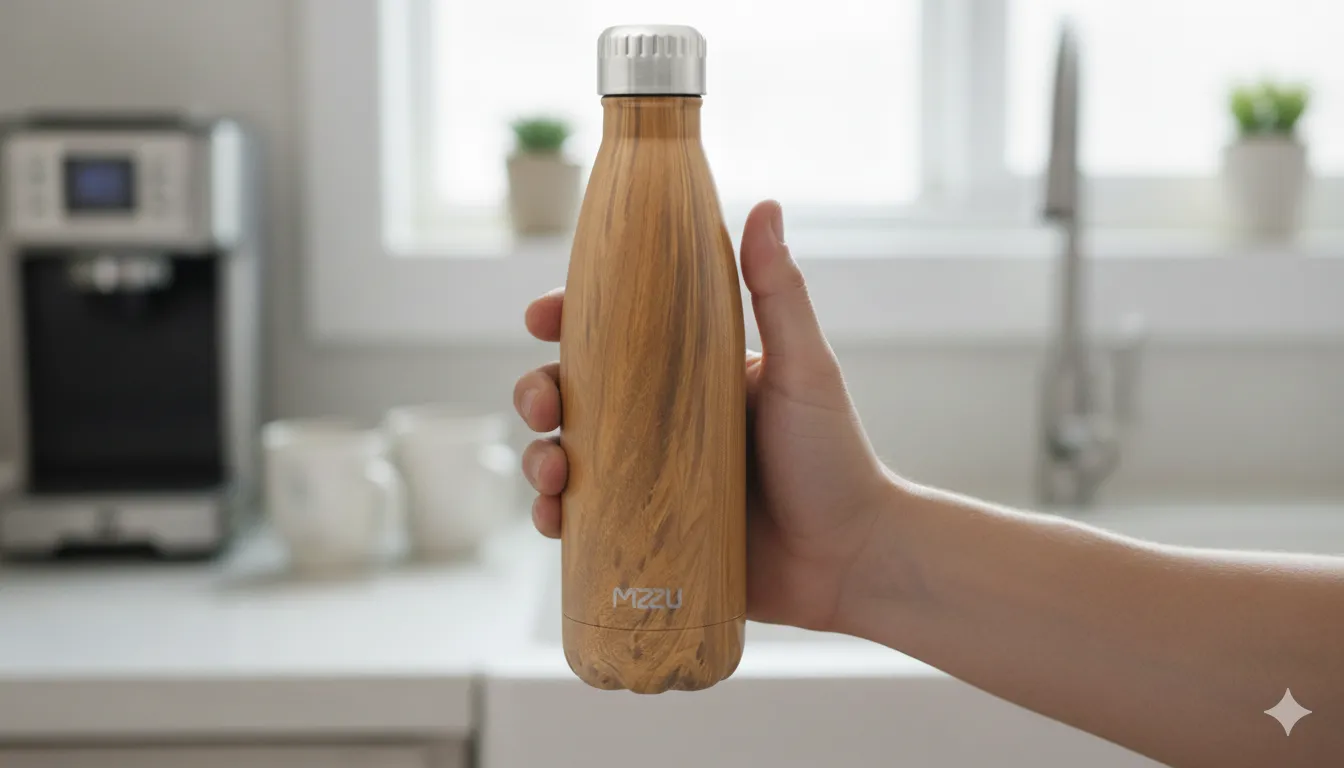
The Ultimate Guide to Truly Dishwasher Safe Tumblers
Ever stared at your favorite tumbler, wondering if tossing it in the dishwasher is a brilliant time-saver or a recipe for disaster? You’re not alone! Many of us want the convenience of machine washing our dishwasher safe tumblers, but fear ruining our beloved drinkware.
Good news! This guide demystifies what makes certain items truly machine-friendly. We’ll help you confidently clean your travel mugs, insulated tumblers, and everyday reusable bottles, saving you precious time and effort.
The truth is, not all tumblers are created equal. While some materials, like high-quality stainless steel cups and specific types of robust plastic drinkware, are designed to withstand the dishwasher’s heat and harsh detergents, others simply aren’t. Understanding the difference can save you from faded designs, warped plastic, or compromised insulation.
It’s more than just a label; it’s about protecting your investment. Our goal is to ensure your dishwasher safe tumblers emerge sparkling clean and ready for your next adventure, every single time. Let’s make your cleaning routine a breeze!
Unpacking ‘Dishwasher Safe’: What the Symbols Mean and Why It Matters
You see “dishwasher safe” on your dishwasher safe tumblers, right? But what does that *really* mean? It’s more than just a casual suggestion!
This label means the manufacturer designed and tested it to handle a machine wash. Think high heat, strong detergents, and powerful water jets.
However, “dishwasher safe” isn’t universal. Always check for specific symbols:
- A square with a plate and water drops: Generally dishwasher safe.
- The same symbol, but with a wavy line or line on top: This means ‘top rack only‘.
This ‘top rack’ detail is vital for many plastic drinkware items and insulated tumblers. The bottom rack gets much hotter, which can easily warp or melt plastics.
Ignoring these symbols can ruin your travel mugs with faded designs or compromised insulation. It can even damage the sealant on your favorite stainless steel cups. Protect your investment!
Knowing these guides ensures your dishwasher safe tumblers stay pristine. They’ll be ready for many more adventures, extending the life of your reusable bottles.
Choosing Your Perfect Match: Durable Materials for Effortless Cleaning
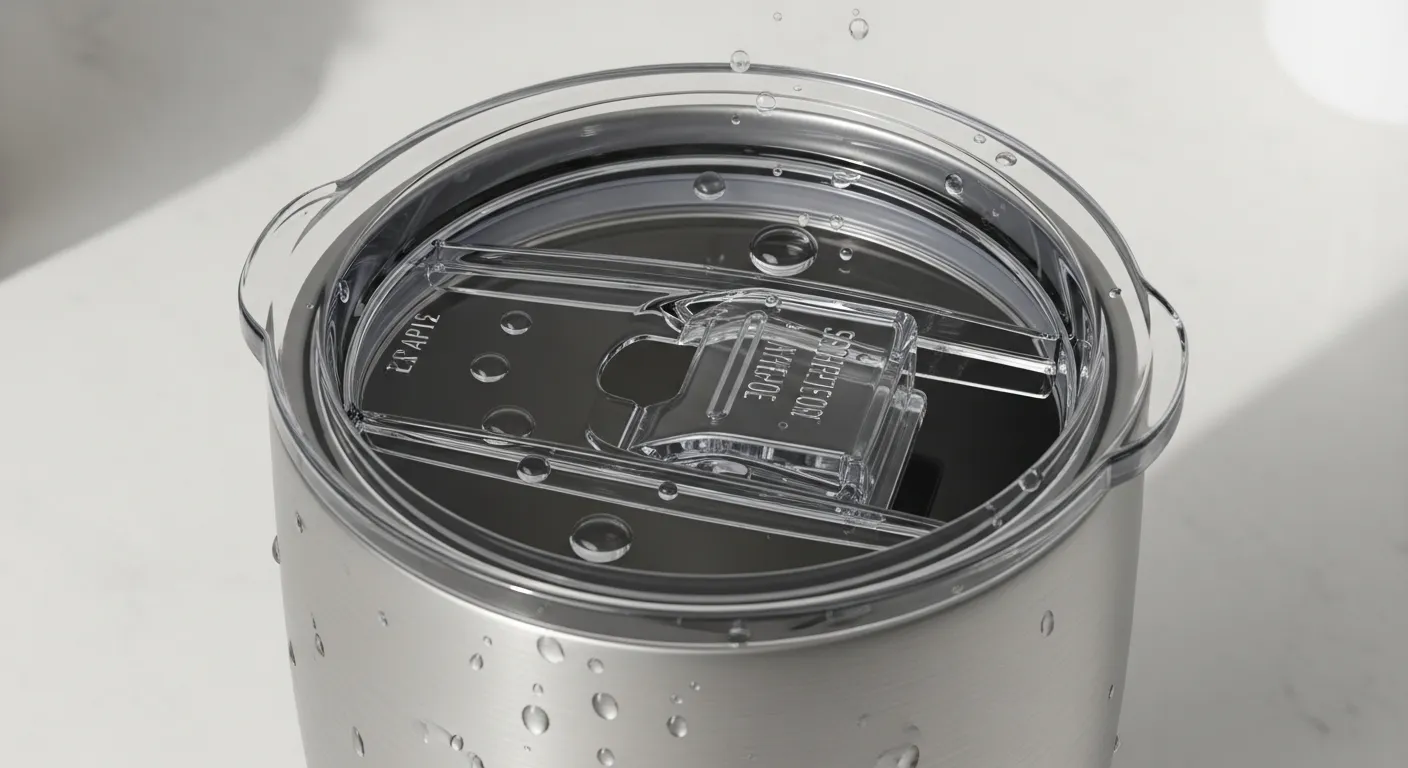
Alright, let’s talk materials! When you’re on the hunt for truly dishwasher safe tumblers, what they’re made of is your ultimate guide. Picking the right stuff means less scrubbing for you.
Here are the top contenders for effortless, machine-washable bliss:
- Stainless Steel: These are often superstars. Most high-quality stainless steel cups and unadorned insulated tumblers can handle the dishwasher’s heat and power with no problem. They’re built to last!
- Tritan Plastic: For dependable plastic drinkware, Tritan is your friend. It’s a durable, BPA-free plastic that resists odors and stains, and is generally safe for the top rack only. Learn more about food contact substances and safety from the FDA.
- Glass: Simple, elegant, and almost always dishwasher safe. Glass tumblers are great, but be mindful of very thin glass or sudden, extreme temperature changes.
- Ceramic: Many ceramic mugs and tumblers with a good glaze are fine for the dishwasher. Just be cautious of delicate handles or decorative elements that could chip.
Choosing materials like these ensures your favorite travel mugs and reusable bottles stay sparkling clean without extra fuss. It’s all about making your life easier!
Beyond the Label: 5 Essential Tips for Maximizing Your Tumbler’s Lifespan in the Dishwasher
Got your awesome dishwasher safe tumblers? Great! Even with that label, a little extra care makes a big difference, ensuring your favorite insulated tumblers and stainless steel cups stay looking new.
- Top Rack Only: Always place your dishwasher safe tumblers, especially plastic drinkware or decals, on the top rack. It’s gentler, protecting finishes and preventing warps.
- Gentle Cycle: Use your dishwasher’s “light wash” or “eco” cycle. Lower heat is kinder, helping reusable bottles last longer.
- Avoid Overloading: Give tumblers space. Overcrowding means poor cleaning and scratches. Your travel mugs need room!
- Mind Your Detergent: Use a quality, non-abrasive detergent. Too much, or harsh types, can etch surfaces. Stick to dosages.
- Quick Pre-Rinse: A fast rinse removes major food particles. This prevents baking onto your items, ensuring a spotless finish.
Top Picks: The Best Dishwasher Safe Tumblers for Every Lifestyle
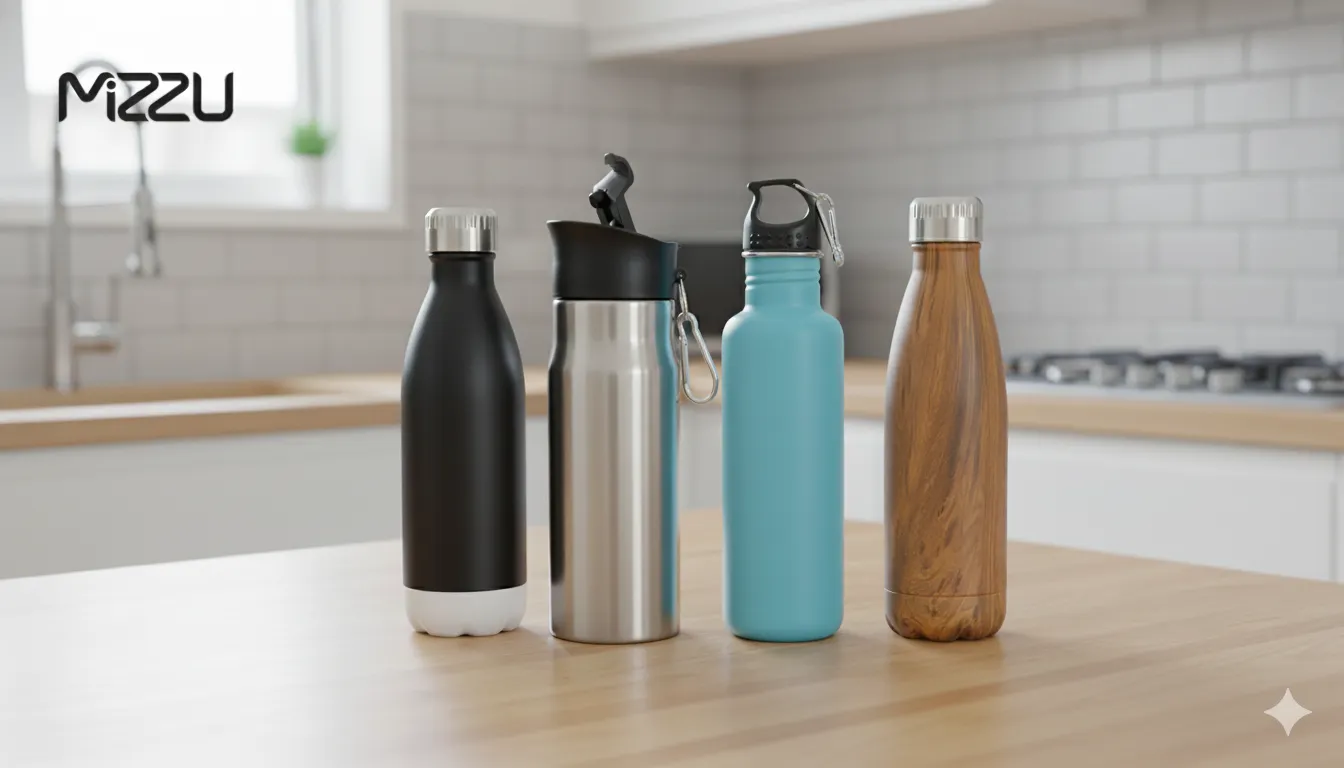
Finding dishwasher safe tumblers simplifies life! Forget hand-washing fears. Here are top picks by lifestyle, balancing durability with effortless cleaning.
- Daily Commuter: A reliable travel mug is key. Hydro Flask or Stanley offer excellent insulated tumblers and stainless steel cups. Many are fully dishwasher safe tumblers for easy care.
- Office Pro: Seek sleek, dependable options. Stainless steel cups from Contigo or Yeti are excellent. They prioritize design, perfect for your desk and simple to wash.
- Fitness Fanatic: Hydration demands durability. Consider large reusable bottles: Tritan plastic drinkware or lightweight stainless steel from Nalgene. These robust designs are excellent.
- Parents & Kids: Ease and resilience are vital. Look for vibrant plastic drinkware or smaller insulated tumblers from Zak! Designs. They offer robust, dishwasher-safe options.
These options guarantee reliable, easy-to-clean hydration partners!
Troubleshooting & Sustainability: Making Your Dishwasher Safe Tumblers Last
Want your dishwasher safe tumblers to truly last? Here’s how to troubleshoot common issues and extend their lifespan for sustainable hydration.
Common Tumbler Troubles & Quick Fixes:
- Cloudy Finish: Hard water/mineral buildup is common. Pre-rinse and use good detergent with rinse aid.
- Fading Designs/Colors: High heat is the enemy! Place decorated plastic drinkware or insulated tumblers on the top rack. Use lower heat or air dry.
- Rust Spots on Stainless Steel: Not from your stainless steel cups! It’s “transfer rust” from other metal items. Remove culprits.
Sustainable Sips: Maximizing Longevity:
- Load Smart: Avoid overcrowding. Give reusable bottles and travel mugs space; this prevents chips.
- Air Dry When Possible: High heat degrades materials. Use air dry options to extend your tumbler’s life.
- Check Gaskets & Lids: Inspect and clean seals regularly. Prevents grime, ensuring longer seal life for all your cups.
Frequently Asked Questions
How can I tell if my favorite tumbler is truly dishwasher safe?
This is a super important question! The easiest way is to look for symbols or text. Most reputable manufacturers will clearly mark their products. You’re generally looking for a dishwasher icon (often a plate and fork with water droplets or lines) or explicit text stating “dishwasher safe” or, more commonly, “top-rack dishwasher safe” on the bottom of the tumbler, its packaging, or the manufacturer’s website. If you’re ever in doubt, playing it safe with a good old hand wash is always the best bet to preserve its life and finish!
My tumbler says “top-rack dishwasher safe.” What’s the deal with the top rack versus the bottom?
That’s a fantastic distinction to notice! The top rack of your dishwasher is typically exposed to less intense heat and less direct, powerful spray from the jets compared to the bottom rack. This gentler environment is crucial for protecting more delicate materials like certain plastics, intricate lids, and especially insulated tumblers. The extreme heat on the bottom rack can warp plastics, compromise the vacuum seal of insulated tumblers, or degrade special finishes and graphics. Always follow the “top-rack” advice to ensure your tumbler stays in pristine condition!
Will putting my insulated tumbler in the dishwasher affect its ability to keep drinks hot or cold?
It absolutely can, especially if it’s not specifically labeled as dishwasher safe. For insulated tumblers, the high heat and pressure from a dishwasher can compromise the vacuum seal between the inner and outer walls. Once that seal is broken, your tumbler loses its insulating superpowers and won’t keep your beverages hot or cold nearly as long. It can also damage the exterior finish or internal components. So, always double-check for that “dishwasher safe” or “top-rack dishwasher safe” label to protect its thermal magic!
What are the common signs that a tumbler is NOT dishwasher safe, even if I missed a label?
Great observation skills pay off here! If you accidentally run a non-dishwasher safe tumbler through a cycle, you might notice a few red flags. Common signs include cloudiness or discoloration (especially with plastic), warping or melting, peeling paint or graphics, or a dulling of the finish. For insulated tumblers, if you see condensation *between* the inner and outer walls, or if it suddenly stops insulating effectively (your hot drinks get cold fast, or cold drinks warm up), its seal has likely been compromised. These are all pretty clear indicators that it’s time to switch to hand washing for that particular tumbler (or perhaps consider investing in a new, truly dishwasher safe upgrade!).

